Cute
Cute Lion Cub Dot to Dot — Free 74-Dot Printable for Ages 5–8
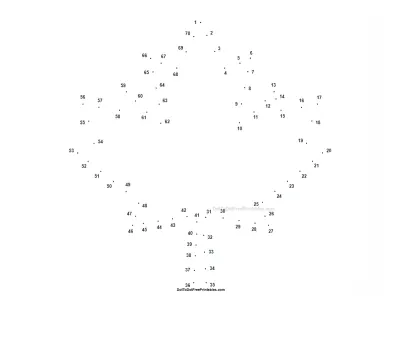
Connect 74 dots to reveal an adorable lion cub. This medium printable puzzle helps children practise number sequencing, pencil control, and concentration.
Difficulty
Medium
Fun fact: A lion's roar can be heard up to 8 kilometres (5 miles) away — but lion cubs can't roar at all until they are about two years old. Until then, they meow!
Downloaded12+timesYou’ve made a great choice!
Downloads now start from the button below. Tap it to get this puzzle's PDF.
Number Version
Connect the numbered dots from 1 to the end to reveal the picture.
Free for home and classroom use.
Alphabet Version
Includes alphabet-themed design for easy learning.
No sign-up needed. Opens as a PDF. Print on US Letter (8.5 × 11 inch) or A4 paper. Free for home and classroom use.
Cute
You might also like
Ages 5–8 — Medium
How to Solve the Cute Lion Dot-to-Dot Puzzle
The king of the savanna has never looked this cuddly! With a big fluffy mane, round cheeks, and a swishy tufted tail, this friendly lion cub is waiting to leap onto your page. At 74 dots, it's a satisfying challenge that builds up section by section — so sharpen a pencil, take a deep breath, and let's give this little king his crown of fluff!
1–16 — The Fluffy Mane
Start at dot 1 and work through to dot 16 to draw the lion's famous fluffy mane. The mane is made of lots of small bumps and curves, so it's a perfect warm-up for careful pencil control — take it one wave at a time and the fluff will build up beautifully.
Fun fact!
Only male lions grow a mane, and it keeps growing darker and fuller as the lion gets older. Scientists have found that lionesses prefer lions with the darkest, thickest manes — a big mane is a sign of a strong, healthy lion.
Only male lions grow a mane, and it keeps growing darker and fuller as the lion gets older. Scientists have found that lionesses prefer lions with the darkest, thickest manes — a big mane is a sign of a strong, healthy lion.
17–32 — The Face and Little Nose
Continue from dot 17 to dot 32 to shape the lion's round face, button nose, and soft cheeks. This is the most detailed part of the puzzle, with dots placed close together — a great exercise in patience and precision for growing hands.
Fun fact!
Lions have a special rough tongue covered in tiny hooks called papillae. It's so rough it can scrape meat from bones — but lions also use it gently, to groom their cubs and their pride-mates.
Lions have a special rough tongue covered in tiny hooks called papillae. It's so rough it can scrape meat from bones — but lions also use it gently, to groom their cubs and their pride-mates.
33–48 — The Body
Trace dots 33 through 48 to draw the cub's soft, rounded body. The lines here are longer and smoother than in the face section, so encourage one confident stroke per line — it's a lovely change of rhythm after all that careful detail work.
Fun fact!
Lions are the only big cats that live in family groups, called prides. A pride can have up to 30 lions, and the lionesses in a pride often babysit and even feed each other's cubs.
Lions are the only big cats that live in family groups, called prides. A pride can have up to 30 lions, and the lionesses in a pride often babysit and even feed each other's cubs.
49–62 — The Legs and Paws
Connect dots 49 to 62 to add the sturdy legs and big soft paws. Lion paws are wonderfully round, so slow down on the curves — steady, even lines will make them look strong enough to carry a future king.
Fun fact!
A fully grown lion's paw can be bigger than a dinner plate, with claws that retract like a house cat's. Cubs practise their pouncing on each other's tails long before they ever hunt for real.
A fully grown lion's paw can be bigger than a dinner plate, with claws that retract like a house cat's. Cubs practise their pouncing on each other's tails long before they ever hunt for real.
63–74 — The Tufted Tail
Finish by connecting dots 63 through 74 to draw the long tail with its fluffy tuft at the tip. Just twelve dots to go — a smooth, confident finish brings the whole lion to life. Don't forget to add whiskers and a happy smile at the end!
Fun fact!
Lions are the only cats in the world with a tuft of fur at the tip of their tail. Hidden inside the tuft is a small, hard spur — and no one is completely sure what it's for!
Lions are the only cats in the world with a tuft of fur at the tip of their tail. Hidden inside the tuft is a small, hard spur — and no one is completely sure what it's for!
What a magnificent 74-dot roar of an achievement! Your lion cub is ready for a golden coat and a warm orange mane — and maybe a sunny savannah to nap on. Explore more cute dot to dot printables to keep the fun going.
Coloring Guide
Classic Tawny Golden Lion
Most wild lions have this warm, tawny-gold colouring, making it the most common and recognisable lion colour.
| Dot Range | Part | Color | Why this color | |
|---|---|---|---|---|
| Numeric | Alphabet | |||
| 1–16 | A–P | Fluffy mane | Crayola Raw Sienna | A male lion’s mane often darkens with age, appearing richer than the rest of the coat. |
| 17–32 | Q–AF | Face and little nose | Crayola Tan | The face is a lighter tawny shade, with a small dark nose. |
| 33–48 | AG–AV | Body | Crayola Tan | Tawny gold is the most common coat colour across wild lion populations. |
| 49–62 | AW–BJ | Legs and paws | Crayola Tan | Legs and paws share the same tawny tone as the body. |
| 63–74 | BK–BV | Tufted tail | Crayola Raw Sienna | The dark tuft at the end of the tail often matches the mane colour. |
Rare White Lion
White lions are a real but very rare natural colour form, caused by a gene that lightens the fur without full albinism.
| Dot Range | Part | Color | Why this color | |
|---|---|---|---|---|
| Numeric | Alphabet | |||
| 1–16 | A–P | Fluffy mane | Crayola Silver (outline only) | White lions have a pale blonde to white mane, one of nature’s rarest colourings. |
| 17–32 | Q–AF | Face and little nose | Crayola Silver (outline only) | The whole face stays pale, though the nose often remains dark. |
| 33–48 | AG–AV | Body | Crayola Silver (outline only) | This rare coat colour comes from a recessive gene, not albinism. |
| 49–62 | AW–BJ | Legs and paws | Crayola Silver (outline only) | Legs and paws share the same pale coat as the rest of the body. |
| 63–74 | BK–BV | Tufted tail | Crayola Silver (outline only) | Even the tail tuft stays pale in this rare colour form. |
Why Is the Cute Lion Dot to Dot Printable Rated Medium?
The Cute Lion is rated medium. Its 74 dots split into 8 straight, 28 curved, 35 zigzag and 3 sharp-turn dots — the direction changes are what lift it above an easy outline. The stretches to slow down for are face and little nose at dots 18–20 and fluffy mane at dots 8–9. Follow the numbered order even when another dot looks nearer, and check the next number before each turn.
Straight
8 dots · 11%
Easiest — join two dots with one straight pencil stroke.
Curved
28 dots · 38%
8 9
Zigzag
35 dots · 47%
18 20
Sharp turns
3 dots · 4%
The hardest bits — tight corners where the line doubles back.
We traced all 74 dots on this exact worksheet by hand — the zigzag at dots 18–20 is where it got tricky, and you can check that against your own printout.
Key Sections to Know
Every notable stretch of the path, dot by dot.
| Dot Range | Pattern | Why It Matters | |
|---|---|---|---|
| Numeric | Alphabet | ||
| 8 9 | H I | Curved | Follow fluffy mane as it curls from dot 8 to dot 9, easing the line rather than snapping it. |
| 16 17 | P Q | Curved | Around fluffy mane, the line eases through a smooth bend at dots 16–17; keep the pencil moving slowly. |
| 18 20 | R T | Zigzag | Dots 18–20 zigzag across face and little nose; the direction flips each dot, so join one pair at a time. |
| 25 26 | Y Z | Curved | The outline swings around face and little nose here; take dots 25 to 26 in short strokes. |
| 35 36 | AI AJ | Curved | A gentle curve shapes body across dots 35–36. Spot dot 36 before you commit to the line. |
| 39 40 | AM AN | Curved | Follow body as it curls from dot 39 to dot 40, easing the line rather than snapping it. |
Bottom line: The Cute Lion dot to dot is medium rated — 49% smooth lines with just 1 short section to watch for.